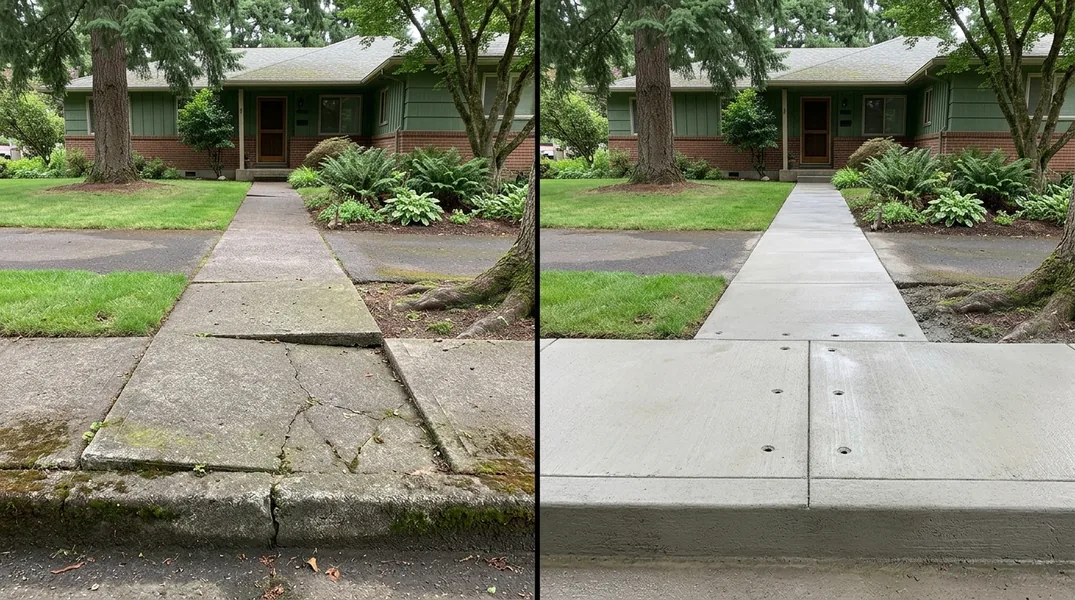
Understanding Bashaw Clay and Its Impact on Concrete
If you live in Eugene, you've likely noticed that your driveway, patio, or foundation seems to suffer more damage than those in other parts of the country. The culprit is often Bashaw clay, a type of expansive soil that dominates much of the Willamette Valley. This clay has a unique characteristic: it swells significantly when wet and shrinks when dry. During Eugene's rainy winters, this cycle becomes especially pronounced, putting enormous pressure on any concrete structure built atop it.
Bashaw clay is composed of fine mineral particles that readily absorb water. When moisture content increases, the clay expands in volume, sometimes by 10 percent or more. This expansion doesn't happen uniformly across your property, which means different sections of your driveway or patio experience different amounts of pressure. The result is the cracking, heaving, and settling that homeowners in the region know all too well. Understanding this geological reality is the first step toward protecting your investment and avoiding costly Concrete Repair & Resurfacing down the road.
How Winter Rain Accelerates Concrete Damage in the Willamette Valley
The Willamette Valley soil concrete problem is fundamentally tied to climate. Eugene receives an average of 45 inches of rain annually, with most of it falling between October and April. This extended wet season keeps the ground saturated for months, giving Bashaw clay maximum opportunity to expand. Unlike regions with seasonal freeze-thaw cycles that damage concrete through ice formation, the Willamette Valley's damage mechanism is driven by sustained soil expansion pushing upward on your concrete slab from below.
The pressure exerted by expanding clay is relentless and powerful. A single square foot of Bashaw clay can exert forces equivalent to several tons as it absorbs moisture and swells. When a concrete slab is poured directly on this clay without proper preparation, the slab becomes a battleground between the downward weight of the concrete and the upward force of the expanding soil. Cracks typically begin at weak points, such as control joints or areas where the concrete is thinner, but they can spread rapidly once initiated. The freeze-thaw cycles that do occur during mild winters add additional stress, further compromising the integrity of your concrete.
Expansive Clay Slab Cracking: Why Your Driveway Looks Like a Map
Expansive clay slab cracking is one of the most visible signs that your property is suffering from Bashaw clay issues. The cracks often appear in distinctive patterns: some run in straight lines following control joints, while others form irregular networks that resemble a dried mud puddle. These aren't just cosmetic concerns. Once a crack forms, water infiltrates the space beneath the concrete, accelerating the clay expansion cycle and making the problem progressively worse. What might start as a hairline crack in spring can become a significant structural issue by the following winter.
The pattern of cracking can tell you a lot about what's happening beneath the surface. Diagonal cracks radiating from a central point often indicate localized heaving where the clay has expanded more dramatically in one area. Linear cracks along control joints suggest the concrete is being pushed upward evenly but the joints are failing under the stress. Spalling, where the concrete surface flakes or breaks apart, occurs when water penetrates the cracks, freezes, and creates additional pressure from within. If you're seeing any of these signs on your Concrete Driveways, it's time to assess whether professional intervention is needed. Ignoring these warning signs typically results in more extensive and expensive damage within one to three years.
Concrete Repair Near Me: When to Call Eugene Concrete Pros
Deciding whether to repair or replace your concrete is one of the most important questions a homeowner in the region must answer. Small cracks (hairline to 1/8 inch wide) can sometimes be sealed to prevent water infiltration, which may slow further damage. However, if your concrete is already experiencing significant heaving, multiple cracks, or visible movement, repair alone may only be a temporary solution. The underlying clay will continue to expand and contract with seasonal moisture changes, eventually causing new damage even after repairs are made.
Eugene Concrete Pros understands the unique challenges that Bashaw clay and Willamette Valley soil present to concrete structures. Our team has years of experience evaluating concrete damage in the region and recommending the most cost-effective solutions. We can help you determine whether your situation calls for targeted Concrete Repair & Resurfacing, or whether a new installation with proper soil preparation would be a better long-term investment. If you've noticed cracks, heaving, or uneven surfaces in your driveway, patio, or other concrete areas, we encourage you to reach out for a free estimate. Call us at (541) 632-8507 to discuss your specific situation.
Prevention and Proper Installation: Building Concrete That Lasts
The best defense against Bashaw clay damage is prevention through proper installation practices. When new concrete is poured, the site preparation is absolutely critical. This includes removing the most problematic clay, installing a gravel or sand base layer that provides drainage and allows for some movement, and ensuring proper slope for water runoff. In some cases, a moisture barrier or specialized base preparation can significantly extend the lifespan of your concrete. These upfront investments may add to the initial pricing, but they typically pay for themselves many times over by avoiding premature failure.
For existing concrete that isn't yet severely damaged, maintenance can help extend its useful life. Regular sealing prevents water from penetrating cracks, reducing the rate of clay expansion beneath the slab. Proper drainage around your property, including gutters, downspouts, and grading that directs water away from concrete structures, can minimize the amount of moisture reaching the soil. If you're planning new Concrete Patios, Concrete Driveways, or other concrete projects in Eugene, discussing soil conditions and proper preparation with your contractor from the start is essential. Eugene Concrete Pros can help you design and install concrete that's built to withstand the unique environmental pressures of the Willamette Valley.
Taking Action: Your Next Steps
If you're a homeowner in Eugene dealing with concrete damage, you don't have to accept it as inevitable. While Bashaw clay and winter rain are realities of life in the Willamette Valley, understanding these challenges and taking appropriate action can protect your property and your investment. Whether you need an assessment of existing damage, advice on prevention for a new project, or professional repair work, Eugene Concrete Pros is here to help.
The first step is simple: contact us for a consultation. Our team will evaluate your concrete, discuss the underlying soil conditions, and recommend the best path forward for your specific situation. We serve the Eugene area with expertise, reliability, and a commitment to solutions that actually work in our regional climate. Call (541) 632-8507 today or visit our website to request your free estimate. Don't let Bashaw clay damage continue unchecked. With the right approach and professional guidance, your concrete can be protected and restored.
Looking for a professional concrete contractor in Eugene? Eugene Concrete Pros responds fast for all your concrete needs.
Get a Free QuoteOur services: Concrete Driveways · Concrete Patios · Stamped & Decorative Concrete