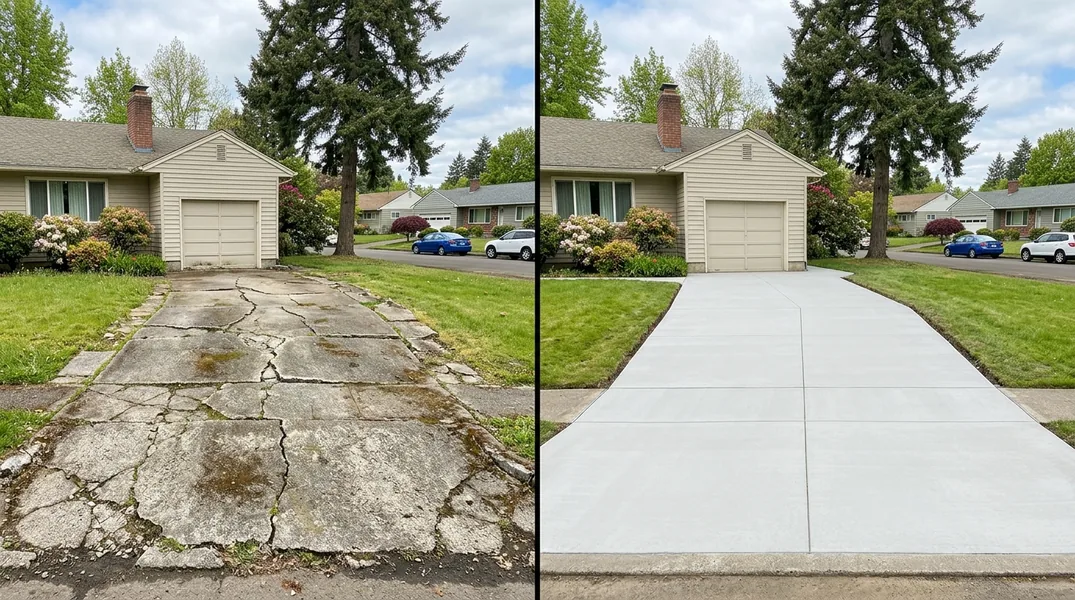
Understanding Eugene's Climate and Concrete Pouring
If you're planning a concrete project in Eugene, timing is everything. The Pacific Northwest's unique climate presents both challenges and opportunities for concrete work. Concrete Driveways, Concrete Patios, and other concrete installations require specific conditions to cure properly and achieve maximum durability.
Eugene experiences a mild, maritime climate with wet winters and dry summers. The region receives significant rainfall from November through March, with average winter temperatures hovering between 35 and 50 degrees Fahrenheit. These conditions directly impact how concrete sets and cures. Pouring concrete during the wrong season can lead to weak joints, surface damage, and premature deterioration. Understanding your local climate is the first step toward a successful concrete installation that will last for decades.
Spring and Early Summer: The Ideal Concrete Pouring Season
Spring through early summer, typically April through June, represents the optimal window for concrete work in the Eugene area. During these months, daytime temperatures consistently remain between 50 and 70 degrees Fahrenheit, which is ideal for concrete curing. The reduced rainfall compared to winter months means your freshly poured concrete won't be saturated with water before it has time to set properly. Humidity levels are moderate, and you'll enjoy more daylight hours for the installation and finishing work.
The concrete curing process requires specific conditions to develop proper strength. When temperatures are in the optimal range and moisture is controlled, concrete hydrates evenly and reaches its design strength more reliably. Spring projects also benefit from the natural progression into warmer months, which accelerates curing without the extreme heat that can cause cracking. If you're considering Concrete Driveways or Concrete Patios, scheduling your project for late April through May gives you the best chance of success.
Concrete Curing in Rain: Why Winter Pours Are Risky
Winter concrete pouring in the Pacific Northwest is notoriously challenging, and for good reason. Concrete curing in rain presents serious complications that can compromise your investment. When concrete is freshly poured and still setting, heavy rainfall can wash away cement paste from the surface, creating a weak, porous layer. Additionally, water saturation during the critical early curing period can trap moisture within the concrete, leading to freeze-thaw damage when temperatures drop below freezing.
The Pacific Northwest's winter weather pattern of repeated freeze-thaw cycles is particularly harsh on improperly cured concrete. When water penetrates the surface and then freezes, it expands and creates internal stress that causes spalling, scaling, and cracking. Even if your concrete seems to cure fine initially, winter-poured concrete often develops problems within the first few years. Professional Eugene concrete contractors understand these risks intimately. If you absolutely must pour concrete during the rainy season, protective measures like tarping, heated enclosures, and extended curing times become necessary, which significantly increases costs and complexity.
Late Summer and Early Fall: A Secondary Window
While spring is ideal, late summer and early fall (August through September) offer a secondary opportunity for concrete work in the region. August typically brings the warmest, driest conditions of the year, with temperatures often reaching 75 to 85 degrees Fahrenheit and minimal rainfall. This window allows concrete to cure quickly and develop strength rapidly. However, timing is critical because you want to complete your project before the autumn rains return in October.
If you're planning a larger project like Stamped & Decorative Concrete that requires more time for finishing work, late August can be advantageous. The extended daylight hours and warm temperatures allow crews to work efficiently without rushing. One consideration is that very hot weather can cause concrete to cure too quickly, potentially leading to surface cracking. Experienced contractors know how to manage these conditions by controlling moisture loss through proper misting and curing blankets. If you're interested in scheduling your project for this season, contact Eugene Concrete Pros at (541) 632-8507 to discuss timing and availability.
Avoiding Fall and Winter: Why These Seasons Present Challenges
October through March is generally the worst time to pour concrete in the Pacific Northwest. As fall progresses into winter, rainfall increases dramatically, and temperatures drop consistently below the optimal range for concrete curing. Concrete requires a minimum temperature of approximately 50 degrees Fahrenheit to cure properly, and ideally should be in the 55 to 75 degree range. When temperatures fall below 50 degrees, the hydration process slows dramatically, potentially taking weeks or months longer for concrete to reach full strength.
Beyond temperature concerns, the relentless rain during the fall and winter months creates multiple problems for freshly poured concrete. Excessive moisture prevents proper curing, can cause surface deterioration, and increases the risk of freeze-thaw damage. If you have an urgent need for Concrete Repair & Resurfacing, winter work is sometimes unavoidable, but new installations should be planned for better seasons. The additional protective measures required for winter pours significantly increase pricing and extend project timelines.
Planning Your Concrete Project: Getting a Free Estimate
The best approach to scheduling your concrete work is to plan ahead and work with experienced professionals who understand local conditions. Eugene Concrete Pros has years of experience managing concrete projects through all seasons in the region. Whether you're planning Concrete Driveways, patios, or decorative concrete, timing your project for optimal weather conditions will save you money and ensure superior results.
We recommend reaching out during winter months to schedule your spring project. This gives you time to plan, budget, and secure your preferred timeframe before the spring rush begins. Contact Eugene Concrete Pros today at (541) 632-8507 or request a free estimate to discuss your specific project needs and determine the best timing for your installation. Our team will help you understand how seasonal factors affect your project and provide professional recommendations based on the type of concrete work you're planning. Don't let poor timing compromise your concrete investment, let the experts guide you toward success.
Looking for a professional concrete contractor in Eugene? Eugene Concrete Pros responds fast for all your concrete needs.
Get a Free QuoteOur services: Concrete Driveways · Concrete Patios · Stamped & Decorative Concrete